Introduction to Non-Slip Rubber Backing Mats

In both residential and outdoor environments, surface stability is a critical component of safety and functionality. A non slip rubber backing mat is engineered specifically to eliminate the risk of sliding, providing a high-friction interface between the floor surface and the mat itself. For the practical shopper, these mats represent a strategic investment in home safety, while for campers, they are indispensable tools for maintaining a clean and secure living space in rugged environments.
The primary objective of rubberized backing is to create a vacuum-like grip or a mechanical interlock with the substrate, whether that substrate is polished hardwood, ceramic tile, or the textured aluminum of an RV step. By mitigating the risk of slips and trips, these mats serve as a foundational element of risk management in high-traffic zones.
Technical Specifications of Rubberized Grip Materials
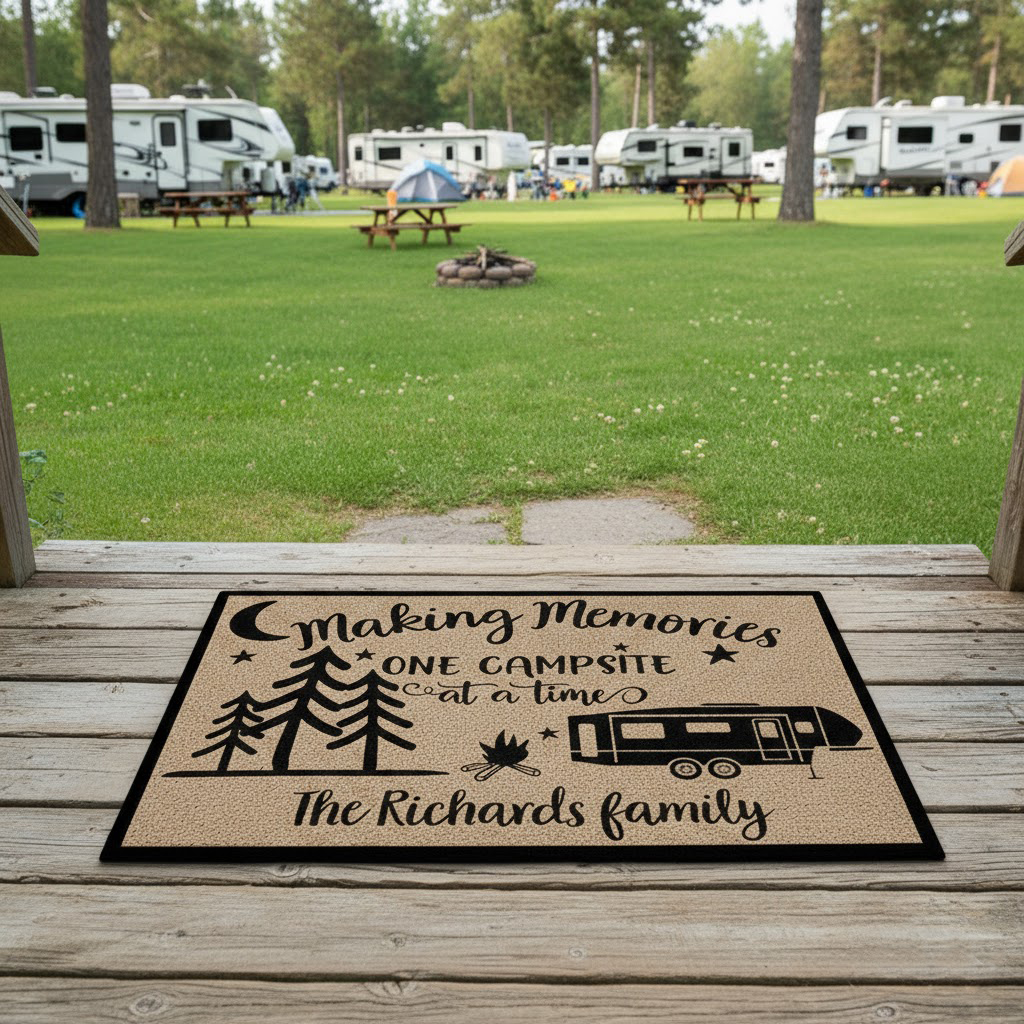
The efficacy of a non-slip mat depends heavily on the chemical composition of its backing. Different rubberized materials offer varying levels of durability, elasticity, and grip strength.
Common Material Compositions

- Styrene-Butadiene Rubber (SBR): A widely used synthetic rubber known for its excellent abrasion resistance and grip. It is often blended with natural rubber to balance cost and performance.
- Nitrile Rubber (NBR): Highly resistant to oils, chemicals, and temperature fluctuations, making it ideal for kitchen environments or heavy-duty camping gear.
- Thermoplastic Elastomers (TPE): A modern alternative that combines the properties of plastic and rubber, offering superior UV resistance and recyclability.
Mechanical Properties
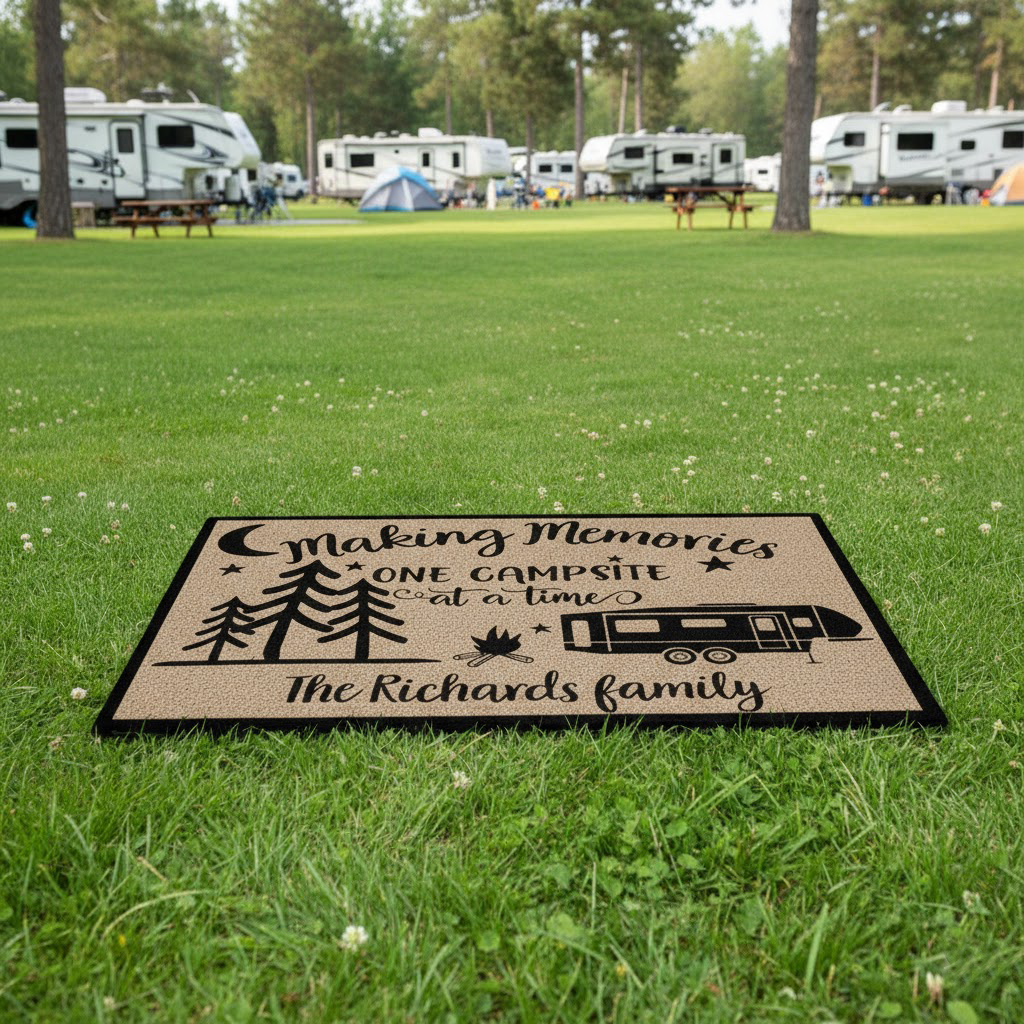
Technical performance is typically measured by the Coefficient of Friction (COF). A high COF indicates a stronger grip, reducing the likelihood of lateral movement. Additionally, the "Shore Hardness" of the rubber determines how the mat conforms to the irregularities of the floor; a softer rubber generally provides a more seamless seal against the surface, enhancing the non-slip effect.
Performance Benefits for Practical Home and Camping Use
The utility of a rubber-backed mat extends beyond simple safety; it enhances the overall ergonomics of a space. In a home setting, these mats prevent the "creep" associated with traditional rugs, ensuring that walkways remain clear and stable.
For those who spend their weekends in the wilderness, the requirements are even more stringent. Camping environments introduce variables such as moisture, mud, and uneven terrain. A high-quality mat acts as a barrier, trapping debris before it enters the tent or vehicle. To combine utility with a personal touch, many enthusiasts opt for personalized camping mats to mark their site and ensure their gear remains stable regardless of the weather.
Specific Use-Case Advantages:
- Moisture Management: Rubber backing prevents water from seeping under the mat, which protects wooden floors from warping and prevents tents from becoming damp.
- Impact Absorption: The density of the rubber provides a layer of cushioning, reducing fatigue during prolonged standing in kitchens or while prepping gear at a campsite.
- Debris Containment: The combination of a textured top and a stable base allows the mat to effectively scrape dirt and grit from footwear without shifting.
Key Factors for Selecting the Right Rubber Mat
Not all rubberized mats are created equal. When selecting a non slip rubber backing mat, shoppers should evaluate several technical criteria to ensure the product meets their specific needs.
Material Compatibility
It is essential to verify that the rubber compound is compatible with the flooring. Some low-grade PVC backings can cause discoloration or "off-gassing" on certain vinyl floors. Opting for high-grade SBR or nitrile ensures better compatibility and longevity.
Thickness and Density
The thickness of the backing influences both the grip and the durability. A thicker backing typically offers better impact absorption and a more robust grip, but it may be heavier to transport for camping. A balance must be struck based on whether the mat is intended for permanent home installation or portable outdoor use.
Environmental Resistance
For outdoor use, UV stabilization is critical. Without it, rubber can succumb to "dry rot" or cracking when exposed to prolonged sunlight. Ensure the specifications mention UV resistance if the mat will be placed in a sunny campsite or entryway.
Maintenance Guidelines for Long-Term Durability
To maintain the integrity of the non-slip properties, regular maintenance is required. Over time, dust and oils can accumulate on the rubber backing, creating a lubricated layer that reduces friction.
- Regular Cleaning: Vacuum the top surface frequently. For the rubber backing, a damp cloth with mild soap is usually sufficient to remove grime.
- Avoid Harsh Chemicals: Avoid using bleach or petroleum-based solvents, as these can break down the molecular structure of the rubber, leading to brittleness or loss of grip.
- Proper Drying: If the mat becomes saturated, hang it to dry or lay it flat. Avoid placing it in a high-heat dryer, which can warp the rubber and ruin the non-slip geometry.
- Storage: When not in use (especially for camping mats), roll the mat with the rubber side facing outward to prevent permanent creasing or sticking.
Conclusion: Choosing the Optimal Safety Solution
Investing in a non slip rubber backing mat is a practical decision that yields immediate results in safety and cleanliness. Whether you are securing a high-traffic hallway in your home or establishing a clean entry point for your outdoor adventures, the technical specifications of the material—such as its COF and chemical composition—determine its ultimate success.
By prioritizing material quality, considering environmental factors, and adhering to a strict maintenance routine, you can ensure that your safety solution remains effective for years to come. Select a mat that balances technical performance with your specific lifestyle needs to create a secure, stable, and welcoming environment.
Comments
Post a Comment